Why Your Engine Won't Start Nissan: Common Causes and Fixes
Understanding the Problem When Your Nissan Won't Crank
There are few things more frustrating than turning the key and getting nothing but silence or a weak sputter. When your engine won't start Nissan, the root cause can range from a simple dead battery to a more complex electronic fault. Nissan vehicles, like most modern cars, rely on a chain of systems working together: the battery supplies initial power, the ignition system creates a spark, the fuel pump delivers gasoline, and the ECU orchestrates everything. If one link fails, the whole chain breaks.
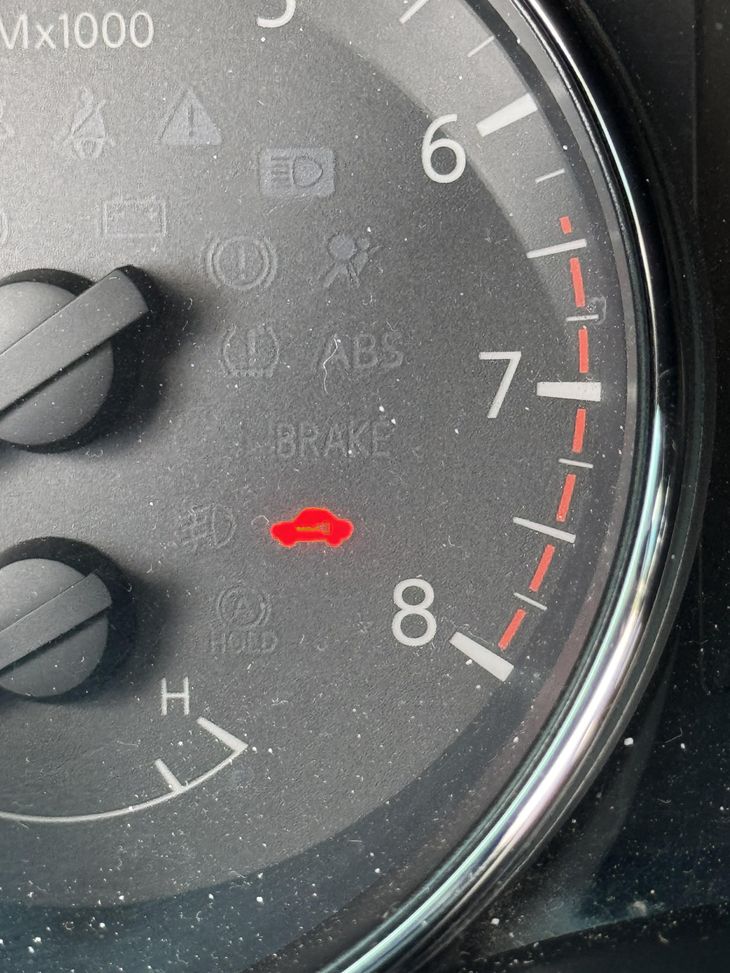
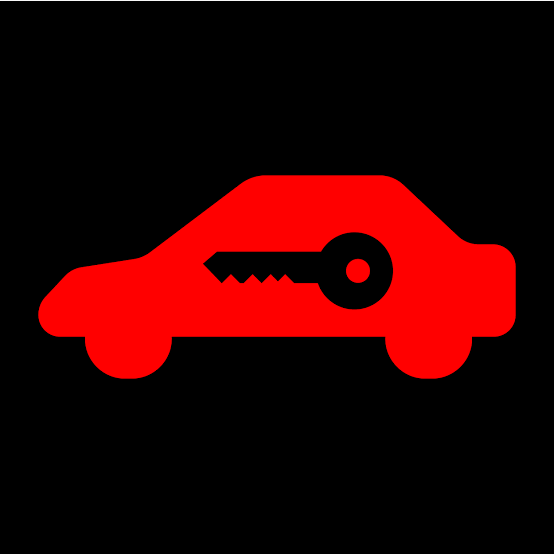
The car key symbol on your dashboard is a clue that should never be ignored. That dashboard warning light often points to a security system issue rather than a mechanical failure. Many Nissan models use a transponder key that talks to the ECU. If the key is not recognized, the interlock in the ignition system will prevent the engine from turning over. This can happen even if the battery and fuel system are perfectly fine. Before you start checking spark plugs or the alternator, look for that symbol. It might save you a lot of time.
Battery and Power Problems
The most common reason for a no-start condition is a discharged or weak battery. Nissan vehicles, especially those with push-button starts and keyless entry systems, draw a fair amount of standby current. If the car has sat for a few days, or if you left an interior light on, the battery can dip below the voltage needed to spin the starter. A quick voltage check with a multimeter can confirm this. If the battery reads under 12.4 volts, it is worth charging or jump-starting before diving deeper.
Even if the battery has enough voltage, the connections can be corroded or loose. Check the terminals for white or blue crust. Clean them with a wire brush and tighten the clamps. A bad connection can mimic a dead battery. Also, remember that the alternator charges the battery while the car runs. If the alternator is failing, the battery may not have enough charge to start the car after a short trip. This is why an engine that starts fine in the morning might refuse later in the day.
Ignition System and Spark
If the battery is good and the car still won't start, the problem could be in the ignition system. Spark plugs are a consumable part that wears out over time. Worn or fouled spark plugs can cause weak or no spark, especially during a cold start. In Nissan engines, the spark plugs are usually easy to access on the front of the engine block. Pull one out and inspect the tip. If it is black, oily, or the gap is too wide, replace them.
The ignition coils can also fail. Each cylinder typically has its own coil. If one coil fails, the engine might still start but run rough. If multiple coils fail, the engine may not start at all. Listen for a clicking sound when you turn the key. That is the starter motor engaging. If you hear it but the engine doesn't catch, suspect spark or fuel issues.
Fuel Delivery: Pump and Injectors
A lack of fuel is another classic culprit. The fuel pump is responsible for pushing gasoline from the tank to the engine. When you turn the key to the "on" position, you should hear a brief whirring sound from the rear of the car. That is the pump pressurizing the system. If you don't hear it, the pump might be dead. A clogged fuel filter can also starve the engine. In Nissan models, the fuel pump is often inside the fuel tank, which makes replacement a bit more involved but still a DIY job for many.
Fuel injectors are more common on modern Nissan engines. They spray a fine mist of fuel into each cylinder. If an injector gets clogged or fails electrically, the cylinder won't fire. This can cause a hard start or no start. You can sometimes diagnose a bad injector by pulling the spark plug from that cylinder and checking if it is wet with fuel. If it is dry, the injector isn't delivering. Injector cleaning additives can help prevent buildup, but a full replacement might be needed for a failed injector.
The ECU and Security System
Nissan vehicles from the early 2000s onward use an electronic control unit that manages the engine. The ECU receives signals from various sensors and decides how much fuel and spark to deliver. If the ECU itself fails, or if a sensor like the crankshaft position sensor sends a bad reading, the engine won't start. This is rare but possible. More common is a security system issue. The car key symbol on the dashboard indicates that the transponder key is not being recognized. This can happen if the key's battery is dead, the key is damaged, or the receiver in the car has a fault. In some Nissan models, the security system can also trigger after a jump-start if the voltage drops too low. Resetting the system by locking and unlocking the door manually, or using the spare key, often resolves it.
An interlock is another layer. Some Nissan models have a clutch interlock that prevents starting unless the clutch pedal is fully depressed. If the switch under the pedal fails, the car will not start even if everything else is fine. Check the owner's manual for the specific starting procedure. It sounds simple, but many people overlook this.
Comparing Systems Across Brands
While this article focuses on Nissan, it helps to know that other carmakers have similar systems. Honda and Toyota use comparable security and ignition setups. For instance, Honda's keyless entry also relies on a transponder, and Toyota's ECU is just as sensitive to voltage drops. Mercedes-Benz vehicles have more complex electronics and are more prone to security system lockouts if the key battery dies. Ford and Volkswagen also use similar interlock systems but with different diagnostic codes. The principles remain the same: check the simple things first, then move to the electronic side.
Cold Start and Environmental Factors
Cold weather can make starting harder. In a cold start, the battery chemistry slows down, reducing available power. The oil thickens, making the engine harder to spin. If you live in a cold climate, a battery with a higher cold cranking amps rating can help. Nissan recommends using the correct viscosity of oil for winter. If your engine won't start Nissan in freezing temperatures, consider a block heater or a battery warmer. Also, condensation in the fuel system can cause water to freeze in the lines. Add a fuel additive that removes water to prevent this.

Step-by-Step Troubleshooting Checklist
- Check the dashboard warning light for the car key symbol. If it is lit, try a spare key or reset the security system.
- Test the battery voltage with a multimeter. Clean and tighten the terminals if needed.
- Listen for the fuel pump whir when you turn the key to "on." If absent, check the fuse or relay.
- Pull a spark plug and inspect it. Replace if worn or fouled.
- If the engine turns over but won't catch, spray a small amount of starter fluid into the intake. If it runs briefly, you have a fuel delivery problem.
When to Call a Professional
Some issues require specialized tools. Testing the alternator output, reading ECU fault codes, or checking fuel pressure demands equipment most home mechanics don't own. If you have gone through the basic checks and the engine still won't start, it may be time to have a professional run a diagnostic. They can check the interlock system, the transponder key signal, and the ECU logs. This is especially true for newer Nissan models with complex electronics. Trying to bypass the security system yourself can cause more damage.
Remember that the car key symbol on your dashboard is there for a reason. It is a dashboard warning light that points to a specific area. Ignoring it leads to wasted time checking other systems. When your engine won't start Nissan, start with the simplest explanation: power, then fuel, then spark, then electronics. Most of the time, the fix is something you can handle in your driveway with basic tools. And if it turns out to be a failed fuel pump or a dead ECU, at least you will know what to expect when you talk to your mechanic.